

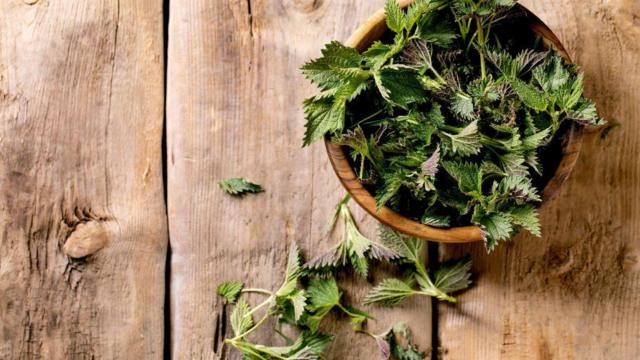
Editor’s warning: Consume only those herbs whose origin you are sure of and consult your doctor about your diet.
In early spring, when all of nature’s streaming services start an amazing show called “Vegetation,” many people awaken with a curiosity for botany with a culinary twist.
The idea of supplementing one’s diet with tender greens is as old as the world, and a new lease of life gives it a basic understanding of the science of food – the science of nutrition.
This popular discipline seems to have firmly established in the minds of the public the idea of early spring green vegetables as low-calorie foods with nice perks like vitamins and minerals.
Dicoras are delegates or inappropriate foods
In today’s world, early spring green vegetables as low calorie foods with nice perks such as vitamins and minerals.
This plant is eaten, but these practices can be delicious and nutritious as well as dangerous.
This is the star of the kerb, flowerbeds and star gardens, the medium or dwarf, aka Stellaria media.
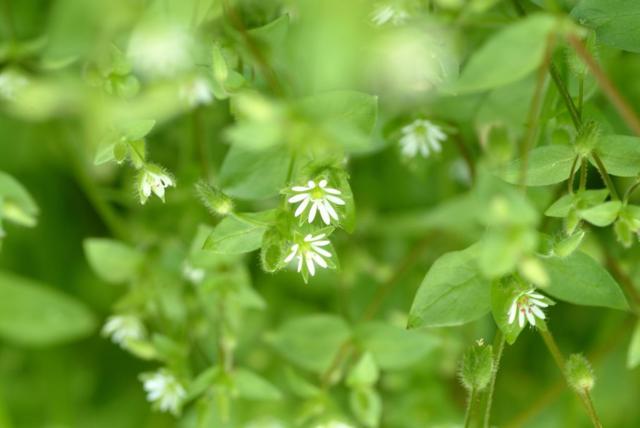

Photo by Getty Images
The name Stellaria comes from the word “stella”, which means “star”. This name arose from the fact that the flowers of representatives of this genus in shape resemble bright celestial objects.
Despite the ideas common among modern proponents of herbal treatment, this name is not a combination of the words “sight and eye”. The specific epithet “medium” translates to “intermediate” or “middle,” and it is a reference to the size of the plant.
The medium starling is known for medical and therapeutic practices, but it also finds its use in cookery. Its
Starling can also accumulate quite large amounts of nitrates if grown in soil enriched with these compounds, but this is a trait common to many agricultural plants.
The plant also contains saponins, which can be toxic to some animals, including fish.
It is unlikely that they affect most terrestrial animals at all, as the amounts are small.
However, you may find advice in specialist literature not to use stargazer if you are pregnant or breastfeeding.
2. Capsella bursa-pastoris.
Has small white flowers in which it is easy to recognise a member of the cruciferous or cabbage family.
Native peoples of the Americas created a beverage from ground grits that was considered medicinal. The fruit can serve as a substitute for mustard. As a leafy vegetable, the plant is quite high in protein and beta-carotene.
If you are tempted to try it, note two facts. Firstly, griciki can provide interesting notes to your green borscht, but if you plan to try the leaves raw, opt for those that are younger.
Second, griciki are plants with skeletons in their wardrobes. Hidden in these cute little purses are seeds that send substances into the environment after being poured on the ground.
This is a kind of chemical advertising for the target audience – nematodes. When the little nematode tasters or roundworms slip into the source of the odour, they are caught in a slime that immobilises and kills them. So with a reputation for eating If dandelion greens are bitter, the leaves can be soaked in a salt solution and sometimes blanched to do this.
During flowering, dandelions also become objects of increased gastronomic interest. However, what looks like a flower is actually a collection of dozens of small flowers that together form a basket of inflorescences.
These inflorescences are sometimes tossed into a salad where they serve important decorative functions, boiled with syrup, passed over for desserts, and used to make drinks of various styles, from kvass to “wine”, apparently to honour the work of Ray Bradbury.
4. Raspberry Bells
You can also look out for raspberry bells (Campanula rapunculus).
Rapunzel from the famous story by the Brothers Grimm apparently got her name from this plant.
This species of It was not only eaten, but also tried to treat gout, which is reflected even in the Latin name of the species – Aegopodium podagraria.
Buttermilk greens can be used raw, but it is also suitable for creating a puree that can compete with spinach in depth of flavour, but in my opinion, it reveals its buttermilk flavour best in soups and green borscht.
It is now increasingly being used to create vitamin strips, which look fantastic and are high in vitamin C, carotene and protein (as far as these types of foods are concerned).
If you have joined the buttermilk lovers’ club, in order not to be sad without this charismatic green for the rest of the year, you can pickle its petioles or dry the leaves. In this way, you can create a kind of spring concentrate in a jar!