

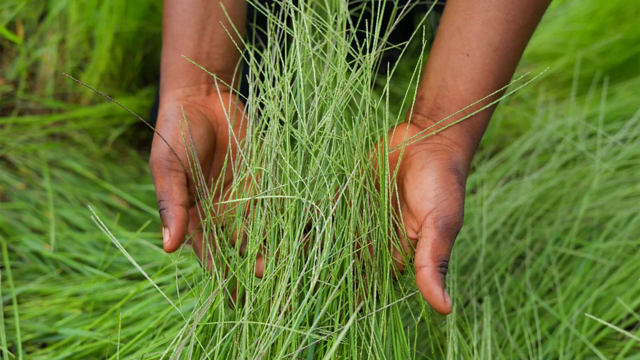

Is the hype around the benefits of ancient cereals justified? Scientists say: not everything is as clear-cut as it seems at first glance.
Ancient grains are crops that have remained almost unchanged for hundreds of years. Unlike ordinary wheat, which people have been breeding for thousands of years, these plants have retained the genetic properties of their wild ancestors. Today, they are experiencing a real surge in popularity.
They are credited with many healing properties, including a higher nutrient content than their modern counterparts. But are they really better than the grains that mankind has modified and improved with agriculture since the Stone Age?
Cereals compared to whole grains
Cereals – such as rice, wheat, oats and corn – make up the
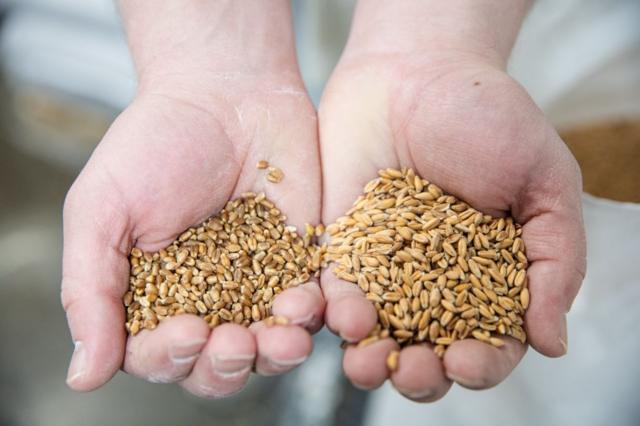
Getty Images photo
“Grains are refined for flavour and improve baking properties,” explains Rilla Tammy, a nutrition researcher at the Finnish Institute of Health and Welfare.
“Refining also extends shelf life.”
This is because the shell and germ contain fatty acids that spoil the grain more quickly.
A diet rich in whole grains is associated with a lower risk of many diseases, including type 2 diabetes. Research also supports a link between regular whole grain consumption and lower blood pressure. In 2020, an analysis of 17 studies found that a diet high in whole grains reduced the risk of bowel, stomach, pancreatic and oesophageal cancers.
However, as long as these
The wheat and corn we eat today have gone through millennia of interbreeding. Corn comes from a wild Mexican biosynthetic grass that had small seeds instead of large cobs. And modern wheat came from the selection of ancient species such as spelt (emmer) and spelt.
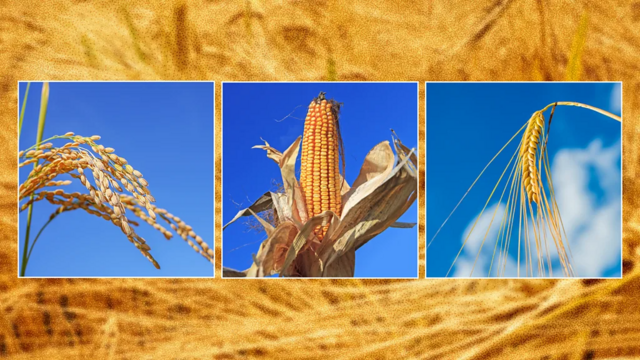
Photo: Getty Images
According to researchers, spelt (emmer) was one of the first domesticated crops. Humans began cultivating it around 9,700 AD. BC. Levant, and later, with the development of Neolithic agriculture, it spread around the world.
Instead, ancient grains are crops in whose development humans did not interfere, so they retained more traits of their wild ancestors. Research shows that humans have been sowing spelt as far back as the Neolithic era (around 12,000 years ago) and some have even been given protected designation status ever since – such as single grain wheat (also known as petit épeautre) in France’s Haut-Provence region.
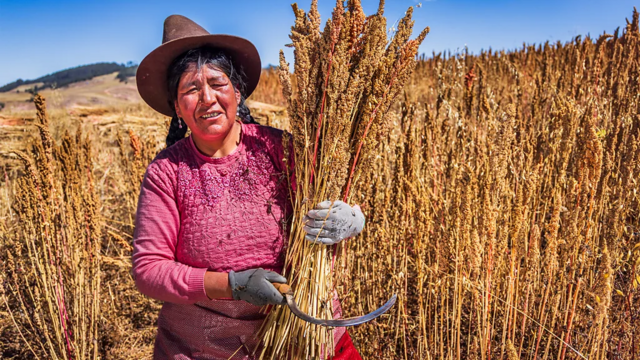
Photo by Getty Images
However, Seal notes, the amount of research on the health effects of ancient cereals remains relatively small compared to studies of modern cereal species. Reliable data is not easy to collect because the grain’s properties are strongly influenced by the environment. Therefore, scientists should only compare results under identical growing conditions.
However, one of the reasons why ancient grains may be more beneficial lies not so much in their composition, but in the way they are processed and consumed. We are back to the thesis mentioned earlier: according to Seale, people are more likely to eat whole grains.
Compared to
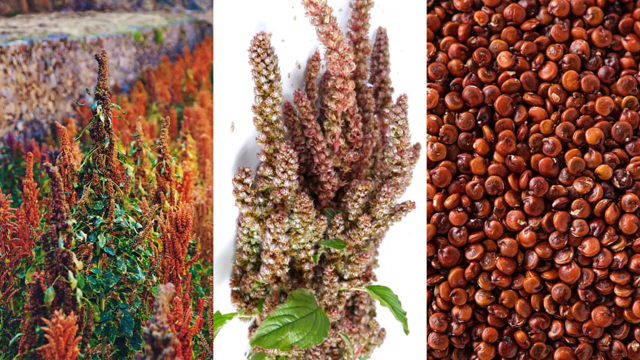
Author photo, Getty Images
As far as our diet is concerned, ancient grains themselves may not fully deserve the hype that has arisen around them.
Experts say: the key is to consume a mixture of different types of grains and preferably whole grains, as was done in ancient times.
“Today we completely ignore a huge number of crops,” says Bogaard.
“In ancient farming, grains were always balanced by other types of plants, they were not singled out as a separate monoculture as they are now.”
Miller Jones agrees with this view. She advises eating a variety of grains, including ancient grains, to get all the micronutrients.
“If you consume a variety of cereals, you are providing yourself with a whole spectrum of vitamins,” she says.
“Variety is the best strategy.”