

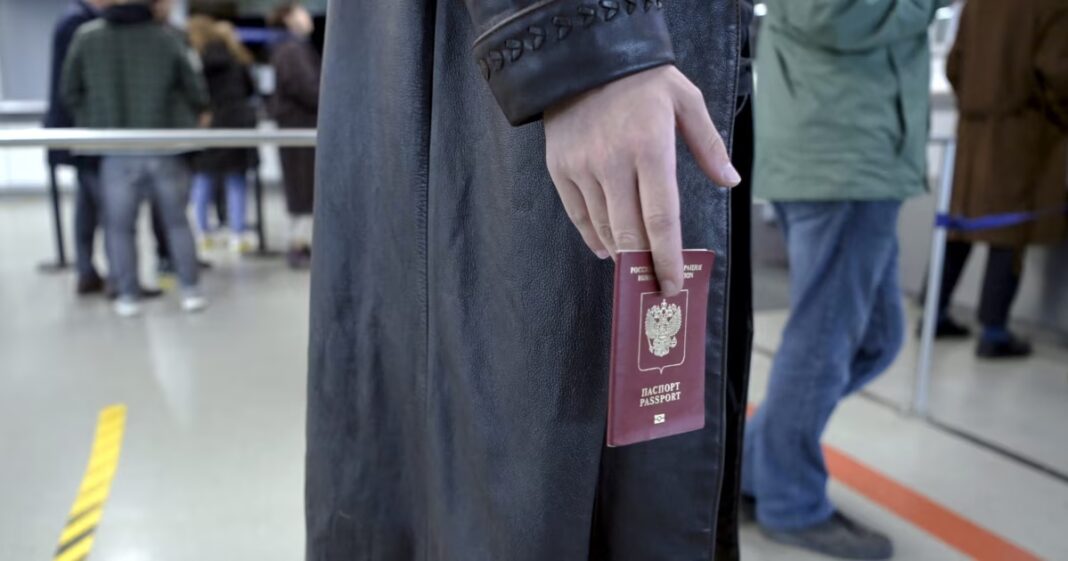

An important initiative is currently taking shape at EU level concerning visa policy towards Russian citizens. On 14 October, the EU Council’s working group on visa matters will discuss a proposal from Germany that could significantly change the rules of the game for Russian tourists. The idea is to issue visas with limited territorial validity, which stands in stark contrast to the usual Schengen visas, which allow freedom of movement throughout the entire Schengen area.
This move is seen as a temporary measure on the path towards a possible complete ban on tourist travel by Russians to Schengen countries. A document seen by Radio Free Europe reveals that, even with the European Commission’s strict recommendations, Russian citizens continue to receive a significant number of visas. In 2025 alone, the figure stood at almost half a million.
Approaches to visa issuance vary across EU countries. The Baltic states and Poland have virtually stopped issuing tourist visas to Russians, whilst France, Italy and Spain remain more open. Germany has proposed its own solution to the problem — visas valid only within the issuing country or a select group of countries. This would limit the movements of Russian tourists without completely closing Europe’s doors to them.
However, Germany’s proposal has raised concerns in Ireland, which currently holds the presidency of the Council of the EU. The system of no border controls within the Schengen Area does not provide a full guarantee that tourists will not breach the restrictions. Ireland has emphasised that a visa with limited validity for citizens with potentially malicious intentions does not provide the necessary level of security.
In addition, the option of not recognising Russian passports for non-essential travel is under discussion. This would provide a legal basis for issuing restricted visas. However, this approach is also met with scepticism: the Irish authorities consider it difficult to implement.
A long-term solution is seen in amending the Visa Code, which would allow a complete ban on non-essential travel for citizens of certain countries. On 12 October, EU foreign ministers already discussed visa restrictions not only for tourists, but also for diplomats and other categories of citizens.
The situation requires not only political will but also a thorough working out of the technical details, as stated by the EU’s top diplomat, Kaja Kallas. The decision could have significant implications for Europe’s tourism policy and relations with Russia.